
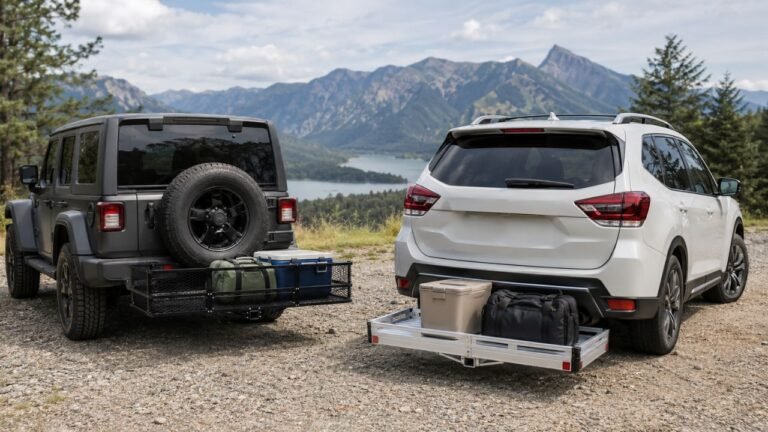
Steel hitch cargo carriers are usually heavier, less expensive, and built for rugged use. Aluminum carriers are generally lighter, easier to handle, and more resistant to corrosion. However, steel...
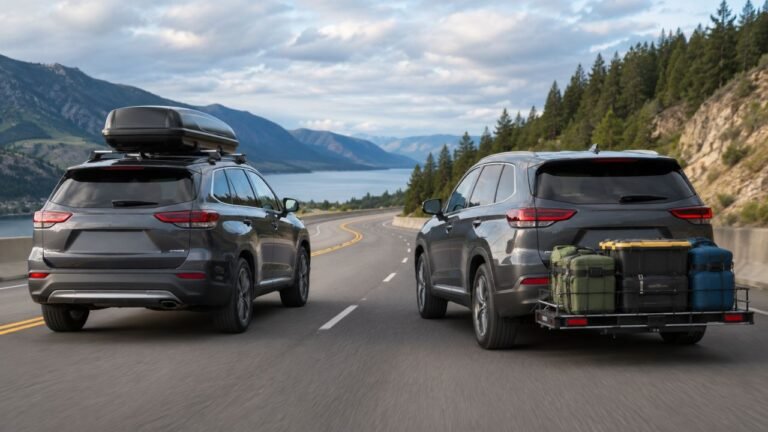
A roof cargo box usually changes vehicle handling more than a hitch cargo carrier when both carry similar weight. Roof cargo sits high, raises the vehicle’s center of gravity, and catches more...
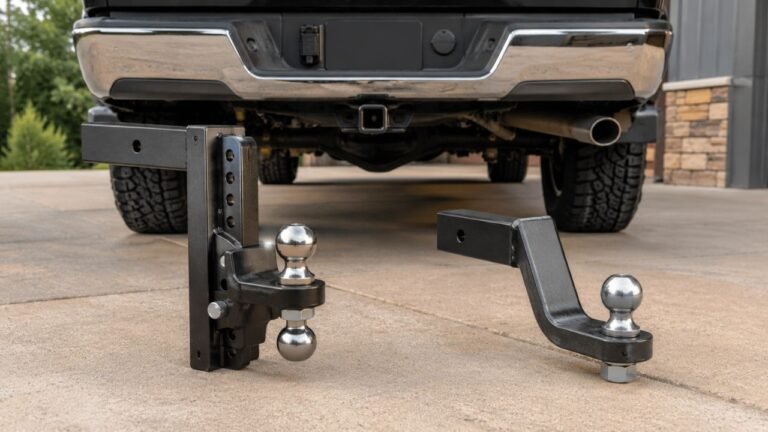
An adjustable hitch lets you change the ball height for different trailers, while a fixed ball mount uses a predetermined drop or rise. Adjustable mounts work well for changing towing setups. Fixed...
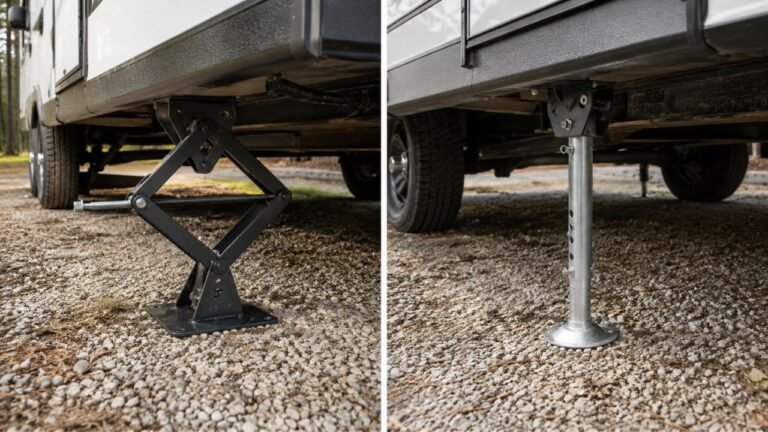
Scissor stabilizer jacks use folding X-shaped arms moved by a threaded screw. Telescoping stabilizer jacks use sliding or drop-down legs that extend toward the ground. Scissor jacks usually offer...
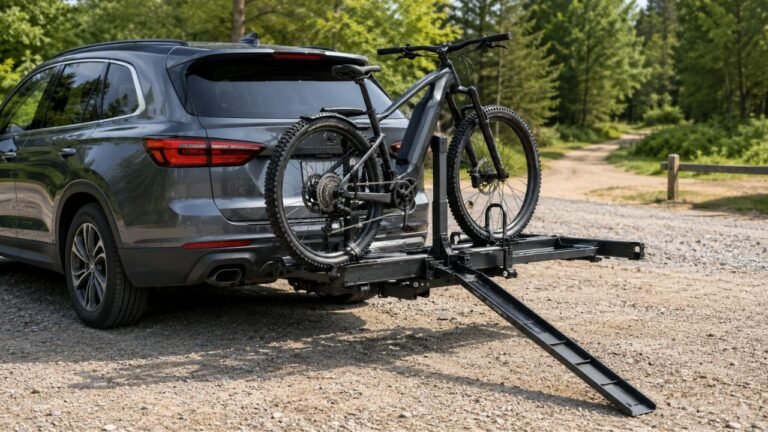
A lift-assist rack is generally easier to load than an e-bike rack with a ramp because the lifting mechanism raises much of the bike’s weight for you. A ramp still makes loading far easier than...
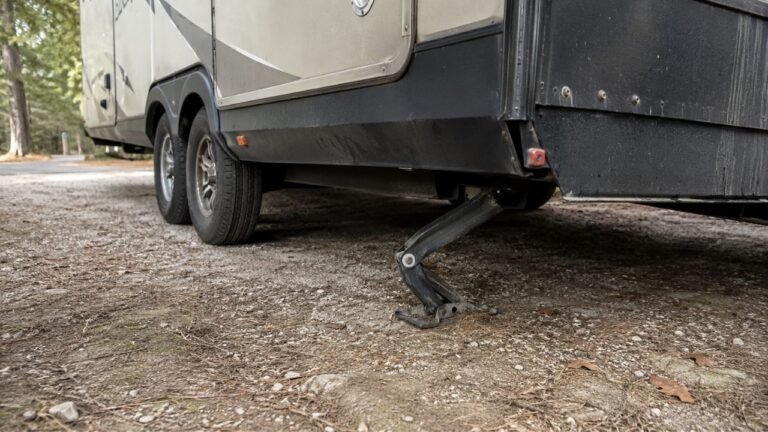
Your RV stabilizer jack probably bent because it carried more weight or sideways force than it was designed to handle. Common causes include using the jack to level or lift the RV, changing tongue...
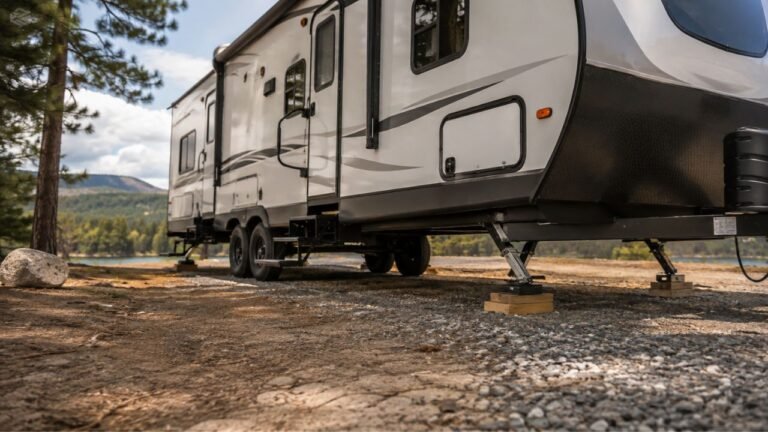
If your RV stabilizer jacks are not steady, the usual causes are overextension, soft ground, uneven jack pressure, suspension movement, or loose jack hardware. Stabilizer jacks are meant to reduce...
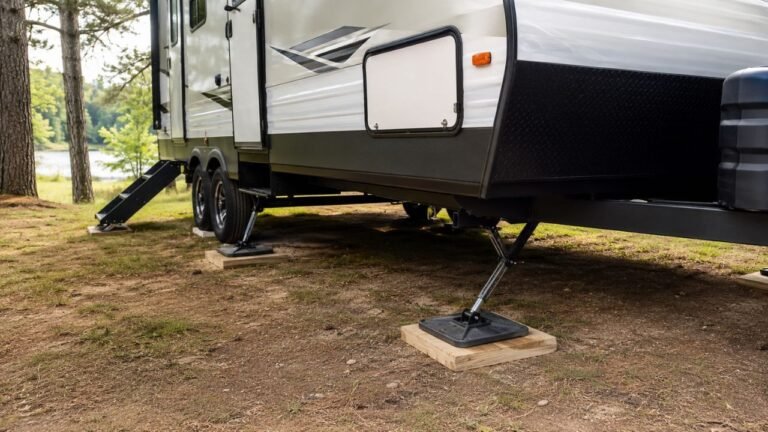
You can stop RV jacks from sinking by placing wide, strong jack pads or blocks beneath each jack foot. The larger surface spreads the RV’s weight across more ground, reducing pressure on soft...
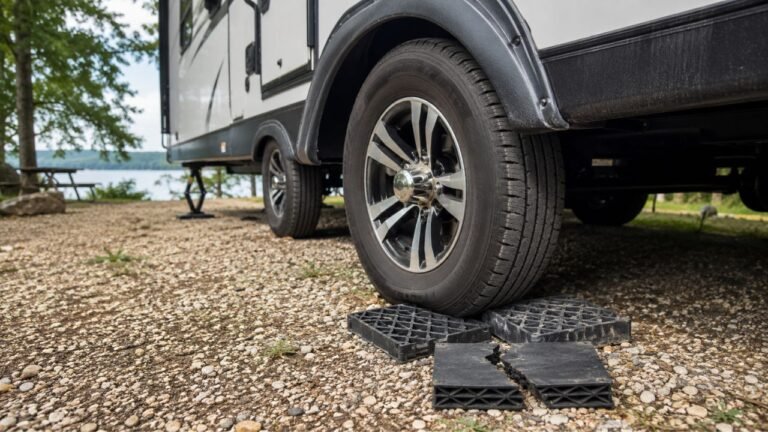
RV leveling blocks usually crack because the weight above them is not supported evenly. Sharp gravel, uneven ground, poor stacking, off-center tires, overloaded blocks, cold temperatures, or aging...